
BASIC FIRST AID & CPR CERTIFICATION
Course 6: Professional Emergency Response, Psychological First Aid & Final Certification Assessment
Estimated Reading Time: 25–30 minutes
Difficulty: Beginner
Mandatory for All Aron Helps Workers
Important: This course completes the Aron Helps Basic First Aid & CPR Certification. It reinforces everything you have learned and prepares you to respond professionally during emergencies while working in homes, offices, schools, or businesses.
Introduction
Being a first aider is about more than treating injuries. It also means staying calm, communicating effectively, comforting people in distress, working with emergency responders, and documenting incidents accurately.
As an Aron Helps worker, employers trust you to act professionally when emergencies happen. This final course teaches you how to fulfil that responsibility.
Learning Objectives
By the end of this course, you should be able to:
- Communicate effectively during emergencies.
- Provide basic psychological support.
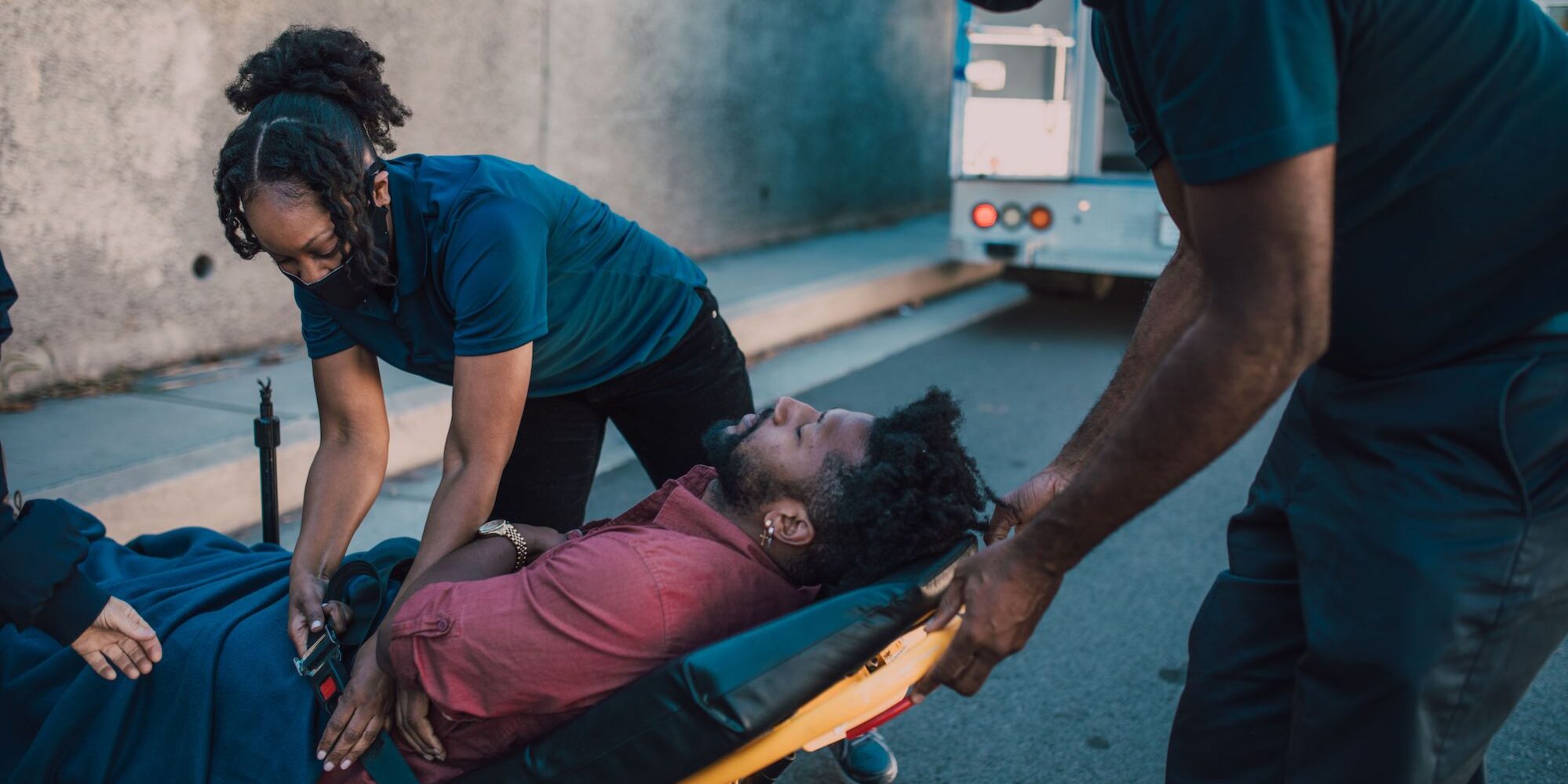
- Work alongside emergency responders.
- Complete accurate incident reports.
- Understand your legal and ethical responsibilities.
- Demonstrate knowledge gained throughout the certification.
Lesson 1: Staying Calm During Emergencies
People often look to the calmest person for guidance.
During an emergency:
✔ Take a deep breath.
✔ Think before acting.
✔ Speak clearly.
✔ Avoid shouting.
✔ Follow the steps you have learned.
Your calm behaviour can reduce panic and improve decision-making.
Lesson 2: Communicating During an Emergency
When calling emergency services, be prepared to provide:
- Your full name.
- Exact location.
- Nature of the emergency.
- Number of injured people.
- Whether the person is conscious.
- Whether the person is breathing normally.
- Any immediate dangers (fire, gas leak, chemicals, etc.).
Speak slowly and answer questions honestly.
Do not exaggerate or guess.
Lesson 3: Psychological First Aid
Emergencies affect emotions as well as physical health.
A person may become:
- Frightened.
- Confused.
- Tearful.
- Angry.
- Shocked.
- Silent.
How to Help
✔ Introduce yourself.
✔ Speak gently.
✔ Listen without interrupting.
✔ Reassure the person that help is on the way.
✔ Stay with them if it is safe.
Avoid making promises you cannot keep.
Instead of saying:
“Everything will be fine.”
Say:
“Help has been called, and I’m staying with you until they arrive.”
Lesson 4: Helping Family Members
Family members may also become distressed.
Remain calm.
Provide factual information.
Avoid discussing medical opinions.
Allow emergency professionals to explain diagnoses and treatment plans.
Lesson 5: Working with Emergency Responders
When paramedics, firefighters, or police officers arrive:
✔ Introduce yourself.
✔ Briefly explain what happened.
✔ Describe the first aid provided.
✔ Mention any changes in the person’s condition.
✔ Answer questions honestly.
Follow their instructions and step back if asked.
Good teamwork helps provide the best possible care.
Lesson 6: Incident Documentation
Professional records protect:
- The injured person.
- The employer.
- The caregiver.
Your report should include:
- Date.
- Time.
- Location.
- What happened.
- Observations.
- First aid given.
- Emergency services contacted.
- Names of witnesses (if applicable).
Write only factual information.
Do not include personal opinions or assumptions.
Lesson 7: Legal & Ethical Responsibilities
As an Aron Helps worker, you must:
✔ Respect confidentiality.
✔ Act within the limits of your training.
✔ Obtain consent where possible before helping a conscious person.
✔ Report incidents honestly.
✔ Treat every individual with dignity and respect.
Never:
❌ Pretend to have medical qualifications you do not possess.
❌ Give prescription medicines unless specifically authorised.
❌ Share photos or videos of injured clients.
❌ Post emergencies on social media.
Professionalism builds trust.
Lesson 8: Review of the Entire Course
You have now learned how to:
✅ Assess dangerous situations.
✅ Call emergency services.
✅ Recognise unconsciousness.
✅ Perform basic CPR awareness.
✅ Help someone who is choking.
✅ Treat cuts and burns.
✅ Control bleeding.
✅ Support fractures.
✅ Recognise heart attacks.
✅ Recognise strokes using FAST.
✅ Respond to seizures.
✅ Assist during asthma attacks.
✅ Recognise diabetic emergencies.
✅ Help during allergic reactions.
✅ Prevent accidents.
✅ Report hazards.
These are essential life-saving skills that apply to every role on the Aron Helps platform.
Lesson 9: Maintaining Your Skills
First aid knowledge should be refreshed regularly.
To stay prepared:
- Review your training every year.
- Renew your certification every two years.
- Attend practical CPR sessions whenever possible.
- Keep up to date with recognised first aid guidance.
- Practise emergency scenarios with colleagues or family members.
Confidence comes through regular learning and practice.
Lesson 10: Being an Aron Helps Safety Ambassador
Every certified worker should promote safety by:
✔ Reporting hazards.
✔ Encouraging safe practices.
✔ Leading by example.
✔ Remaining calm during emergencies.
✔ Treating every client with respect.
You are not just providing a service—you are helping create safer homes, workplaces, and communities.
Real-Life Scenario
Tunde is working as a live-in caregiver.
One evening, his client slips in the bathroom and suffers a head injury.
Tunde ensures the area is safe, checks the client’s responsiveness, and calls emergency medical services.
He keeps the client as still as possible, monitors their breathing, comforts them, and records the time of the fall.
When paramedics arrive, he clearly explains:
- How the fall occurred.
- The client’s symptoms.
- The first aid he provided.
- Any changes he observed.
His calm actions and accurate communication help emergency responders provide timely treatment.
Final Emergency Response Checklist
During Every Emergency:
✅ Stay calm.
✅ Ensure the area is safe.
✅ Call emergency services when needed.
✅ Give appropriate first aid.
✅ Comfort the injured person.
✅ Monitor their condition.
✅ Hand over to emergency responders.
✅ Complete an incident report.
Common Mistakes to Avoid
❌ Panicking.
❌ Delaying emergency calls.
❌ Guessing medical conditions.
❌ Giving medicines without authorisation.
❌ Sharing confidential information.
❌ Leaving the injured person alone when it is unsafe to do so.
❌ Failing to document the incident.
Final Summary
The purpose of first aid is to preserve life, prevent further harm, and support recovery until professional help arrives.
As an Aron Helps professional, your role is not to replace doctors or nurses—it is to recognise emergencies, provide safe and appropriate first aid, communicate effectively, and act with professionalism.
Remember:
Preparation saves lives. Calmness inspires confidence. Compassion builds trust.
Final Certification Examination
Part A – Multiple Choice (50 Marks)
1. What is the first step before helping an injured person?
A. Begin CPR immediately.
B. Ensure the area is safe.
C. Give water.
D. Move the person.
Answer: B
2. The FAST test helps identify:
A. Diabetes.
B. Stroke.
C. Burns.
D. Asthma.
Answer: B
3. Someone who is unconscious but breathing normally should usually be placed in:
A. A chair.
B. The recovery position (unless a spinal injury is suspected).
C. A standing position.
D. A bathtub.
Answer: B
4. Severe bleeding should be treated by:
A. Washing the wound only.
B. Applying firm direct pressure and seeking emergency help.
C. Ignoring it.
D. Applying butter.
Answer: B
5. Which statement is true?
A. You should only provide first aid within the limits of your training.
B. You should diagnose illnesses yourself.
C. You should share emergencies on social media.
D. Incident reports should include opinions.
Answer: A
(Continue with an additional 45 questions covering all six courses to create a comprehensive 50-question final assessment.)
Part B – Practical Assessment
Each learner must successfully demonstrate the ability to:
- Assess scene safety.
- Perform an emergency assessment (DRSABC approach).
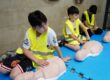
- Demonstrate hands-only CPR awareness on a manikin.
- Place a casualty in the recovery position (where appropriate).
- Control severe bleeding.
- Apply a simple dressing.
- Respond to a choking emergency.
- Identify stroke using FAST.
- Respond to a seizure safely.
- Complete a sample incident report.
Final Practical Scenario
You are working as a nanny in a family home.
During the afternoon:
- The grandfather slips and hits his head.
- The toddler begins choking on a piece of fruit.
- The grandmother becomes anxious and starts crying.
- Smoke begins coming from the kitchen after food is left unattended.
Describe, step by step:
- How you would prioritise each emergency.
- What first aid you would provide.
- When you would call emergency services.
- How you would keep everyone safe.
- What information you would record after the incident.
Certification Requirements
To receive the Aron Helps Basic First Aid & CPR Certificate, learners must:
- Complete all six courses.
- Pass all quizzes.
- Score 80% or higher on the final written assessment.
- Successfully complete the practical assessment (or an approved skills demonstration where available).
- Agree to the Aron Helps Code of Professional Conduct.
Certificate of Completion
ARON HELPS PROFESSIONAL TRAINING ACADEMY
Certificate of Completion
Basic First Aid & CPR Certification
This certifies that:
__________________________________
has successfully completed the Aron Helps Basic First Aid & CPR Certification Programme, demonstrating knowledge of:
- Emergency Response
- Basic CPR Awareness
- Choking First Aid
- Wound Care
- Burns & Fractures
- Medical Emergencies
- Home & Workplace Safety
- Psychological First Aid
- Incident Reporting
- Professional Emergency Response
The participant has met the training requirements to provide basic first aid within the limits of their training while awaiting professional medical assistance.
Certificate Number: AH-FA-_____________
Date Completed: ____________________
Valid Until: ____________________ (Recommended renewal every two years.)
Recommended YouTube Videos
1. St John Ambulance – Complete First Aid Playlist
https://www.youtube.com/@stjohnambulance
2. British Red Cross – Learn First Aid
https://www.youtube.com/results?search_query=British+Red+Cross+first+aid+playlist
3. American Red Cross – CPR & First Aid
https://www.youtube.com/@americanredcross
4. Resuscitation Council UK – Basic Life Support
https://www.youtube.com/results?search_query=Resuscitation+Council+UK+basic+life+support
5. World Health Organization – Emergency Care
https://www.youtube.com/results?search_query=World+Health+Organization+emergency+care
🎉 Congratulations!
You have successfully completed the Aron Helps Basic First Aid & CPR Certification Programme (6 Courses).
Skills You Have Gained
You are now equipped to:
- ✔ Recognise emergencies quickly.
- ✔ Protect yourself and others from harm.
- ✔ Provide basic first aid until professional help arrives.
- ✔ Respond to choking, bleeding, burns, fractures, seizures, strokes, asthma attacks, and other common emergencies.
- ✔ Prevent accidents in homes and workplaces.
- ✔ Communicate effectively with emergency responders.
- ✔ Complete professional incident reports.
- ✔ Support clients calmly, confidently, and compassionately.
🌟 Recommended Next Certification
The next universal course for the Aron Helps Professional Training Academy should be:
Professional Workplace Ethics, Customer Service & Communication (5 Courses)
This course would be mandatory for every worker, regardless of role, and would cover:
- Professional Ethics & Code of Conduct.
- Communication Skills & Customer Service Excellence.
- Workplace Behaviour, Time Management & Conflict Resolution.
- Confidentiality, Digital Safety & Professional Boundaries.
- Career Development, Interview Skills & Personal Branding.
Together with the Basic First Aid & CPR Certification, it would create a strong foundation of professionalism and safety for every Aron Helps worker before they begin serving clients.